The automotive industry is constantly evolving in response to changing expectations around vehicle performance, efficiency, safety, comfort, design, and sustainability. As vehicles become more technologically advanced, manufacturers need production methods that can deliver complex components with consistent quality while supporting high-volume manufacturing.
Plastic injection molding has become one of the most important manufacturing processes for meeting these requirements. From dashboard components and center consoles to mirror housings, lighting components, grilles, brackets, and exterior trim parts, injection-molded plastics are used throughout modern vehicles.
The importance of plastic injection molding in automotive manufacturing goes far beyond the ability to produce plastic parts. The process offers manufacturers significant advantages in design flexibility, repeatability, scalability, component integration, production efficiency, and weight optimization.
In this article, we explore why plastic injection molding plays such an important role in modern automotive manufacturing and how it supports the changing needs of vehicle manufacturers and automotive suppliers.
What Is Plastic Injection Molding?
Plastic injection molding is a manufacturing process used to produce components by heating thermoplastic material and injecting it into a specially designed mold under controlled conditions.
Once the material fills the mold cavity, it cools and solidifies into the required geometry. The component is then removed from the mold and can proceed to inspection, secondary operations, or assembly.
One of the major strengths of injection molding is its ability to produce complex geometries repeatedly. Once the mold and manufacturing process have been properly developed, large quantities of components can be manufactured with consistent characteristics.
This makes the process particularly suitable for automotive manufacturing, where repeatability, production efficiency, dimensional consistency, and scalability are important considerations.
1. Supporting Lightweight Automotive Design
Weight is an important consideration in modern vehicle development.
Automotive manufacturers continuously evaluate opportunities to optimize vehicle weight while maintaining the required functionality, durability, quality, and performance.
Plastic materials can provide opportunities to replace or redesign certain traditionally manufactured components where the application and engineering requirements allow.
Reducing component weight can contribute to broader vehicle efficiency objectives. At the same time, plastic injection molding enables engineers to create complex component geometries without necessarily relying on multiple individual parts.
However, lightweighting is not simply about replacing one material with another. Material properties, component geometry, operating environment, mechanical requirements, assembly conditions, and expected service life must all be evaluated during product development.
When these factors are considered correctly, plastic injection molding can become an effective part of a lightweight automotive engineering strategy.
2. Design Freedom for Complex Components
Modern vehicles contain increasingly complex interior and exterior designs.
Automotive components may require curves, ribs, mounting points, clips, channels, textured surfaces, integrated connections, and multiple functional features within a relatively small area.
Plastic injection molding provides significant flexibility when producing these geometries.
Instead of manufacturing multiple simple parts and combining them later, engineers may be able to integrate several functions into a single injection-molded component.
This capability can be valuable for applications such as:
- Dashboard components
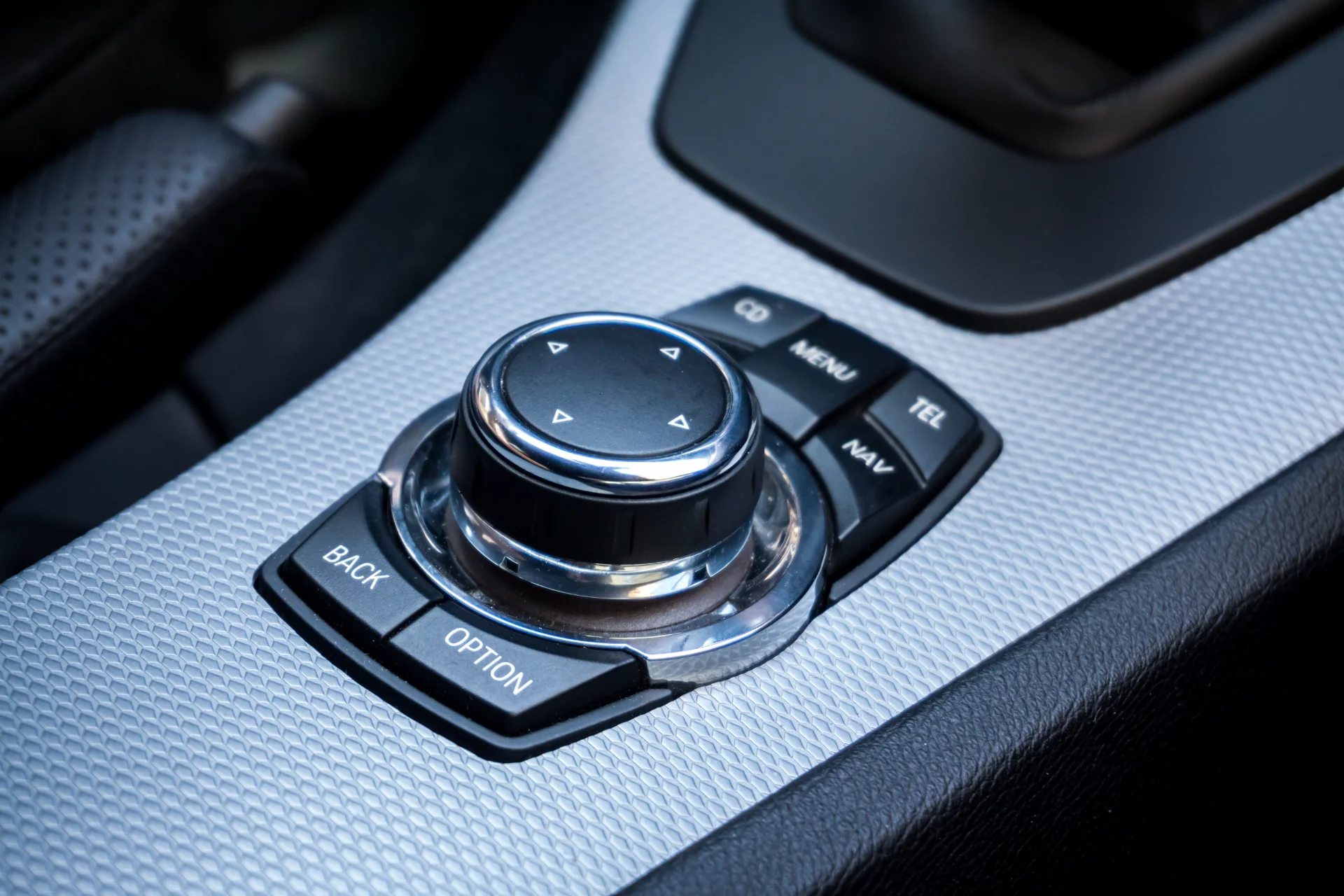
- Center consoles
- Door trim components
- Air vent components
- Headlamp housings
- Mirror housings
- Grille components
- Bumper-related parts
- Mounting brackets
- Functional interior and exterior components
Greater design flexibility gives automotive engineering teams more options when balancing functionality, manufacturability, appearance, and assembly requirements.
3. Consistency in High-Volume Production
Automotive programs can require large quantities of components to be produced over extended periods.
Manufacturing thousands of parts is only valuable if the process can maintain consistent results.
Plastic injection molding is particularly suitable for repeatable serial production. Once tooling, material conditions, machine parameters, and production processes are established, manufacturers can create controlled production environments designed to minimize variation.
Important parameters may include injection pressure, temperature, cooling time, material condition, cycle time, and mold performance.
Maintaining these parameters within an appropriate production window supports dimensional consistency and repeatable component quality.
For automotive manufacturers and suppliers, this repeatability is one of the fundamental reasons plastic injection molding remains an important production technology.
4. Efficient Production at Scale
Injection molding requires significant preparation before serial manufacturing begins.
Component engineering, material evaluation, mold design, tooling production, trials, and process optimization all take place before stable production can be achieved.
However, once this infrastructure has been established, injection molding can provide an efficient method for manufacturing components at scale.
Automated or semi-automated processes, repeatable cycles, multi-cavity tooling where appropriate, and optimized production parameters can support high manufacturing efficiency.
This scalability is particularly important for automotive programs where suppliers must balance production capacity, quality expectations, delivery requirements, and cost considerations.
A well-designed injection molding process can therefore provide long-term production advantages throughout the lifecycle of an automotive project.
5. Integration of Multiple Functions
One of the most valuable characteristics of plastic component design is the ability to integrate multiple features into a single part.
Mounting points, clips, ribs, guides, channels, structural features, and decorative elements can potentially be incorporated directly into component geometry.
This can help reduce the number of separate parts required for a particular application.
Component integration can also simplify subsequent assembly operations when considered correctly during the engineering stage.
For example, an automotive interior component may combine visual surfaces, mounting features, and functional interfaces within one molded structure.
Similarly, exterior components can incorporate connection points and supporting geometry designed specifically for integration with surrounding vehicle systems.
This makes injection molding not only a manufacturing method but also an important engineering tool for component optimization.
6. Surface Quality and Design Integration
Automotive components are not always hidden behind other vehicle systems.
Many injection-molded components are directly visible to drivers and passengers or form part of the vehicle’s exterior appearance.
Interior trim, dashboard elements, center console parts, mirror housings, grilles, and other visible components can contribute directly to perceived vehicle quality.
Plastic injection molding can support different geometries, textures, finishes, and surface requirements depending on component design, tooling, material selection, and subsequent processes.
Maintaining visual consistency becomes especially important for components installed next to other visible parts.
For this reason, automotive plastic injection molding must consider aesthetic expectations alongside dimensional and functional requirements.
7. Supporting Different Vehicle Segments
Automotive manufacturers produce vehicles for different markets, applications, and customer expectations.
Passenger cars, commercial vehicles, premium vehicles, electric vehicles, and other platforms may require different component designs and production strategies.
Flexible plastic injection molding capabilities can support this diversity.
Different molds, materials, production parameters, and assembly processes can be developed according to individual project requirements.
This flexibility allows automotive suppliers to respond to model-specific applications while maintaining controlled manufacturing processes.
For companies working with multiple vehicle programs, adaptable production capabilities are an important part of maintaining long-term competitiveness.
8. Quality Control Throughout Manufacturing
Automotive manufacturing requires a systematic approach to quality.
Plastic injection molding supports quality management through controlled and repeatable production processes, but process stability must be supported by appropriate inspection and monitoring activities.
Quality controls may evaluate factors such as:
- Dimensional accuracy
- Visual appearance
- Surface characteristics
- Component geometry
- Assembly compatibility
- Functional requirements
- Production consistency
Quality management should begin before serial production and continue throughout manufacturing.
A prevention-oriented approach helps manufacturers identify potential risks, control variation, and continuously improve processes rather than relying solely on final inspection.
9. Supporting Assembly and System Integration
Many automotive plastic components ultimately become part of larger assemblies.
A mirror housing must interact with other mirror components. A headlamp component must fit within the lighting assembly. Interior trim parts must integrate with surrounding cabin elements.
For this reason, injection-molded components must be developed with the overall system in mind.
Mounting points, tolerances, connection areas, surrounding geometry, and assembly sequences can all influence the success of the final product.
Manufacturing teams that understand these integration requirements can provide greater value than simply producing an isolated component.
Considering injection molding and assembly together can help create more efficient and reliable automotive manufacturing processes.
10. Continuous Improvement and Sustainable Manufacturing
Modern automotive production increasingly emphasizes efficient resource use and continuous process improvement.
Plastic injection molding processes can be continuously evaluated to identify opportunities to improve cycle times, material utilization, energy efficiency, process stability, and defect prevention.
Even relatively small improvements can become significant when applied across large production volumes.
Data from manufacturing processes and quality controls can also help identify trends and opportunities for optimization.
This continuous improvement mindset supports not only production efficiency but also a more responsible approach to resource utilization.
Sustainable manufacturing ultimately requires a broader strategy involving product design, material selection, production technology, energy use, quality management, logistics, and waste prevention.
Plastic injection molding can contribute to this strategy when processes are designed and managed efficiently.
The Role of Engineering in Automotive Plastic Injection Molding
The benefits of injection molding cannot be achieved through machinery alone.
Engineering expertise plays an important role throughout the entire process.
Component geometry, material behavior, tooling design, process parameters, tolerances, surface expectations, assembly interfaces, and production volumes must be considered together.
Early collaboration between automotive manufacturers, engineering teams, mold manufacturers, and injection molding suppliers can help identify potential challenges before serial production.
This integrated approach can reduce unnecessary revisions, improve manufacturability, and contribute to more stable production.
For this reason, selecting an automotive plastic injection molding partner should involve evaluating more than production capacity. Engineering support, quality management, flexibility, communication, tooling knowledge, and process development capabilities are also important considerations.
Plastic Injection Molding and the Future of Automotive Manufacturing
The automotive industry continues to change with the development of electric vehicles, new mobility concepts, digital technologies, advanced interiors, and evolving vehicle architectures.
These changes create new expectations for automotive components.
Manufacturers increasingly require components that combine low weight, functional integration, visual quality, production efficiency, and design flexibility.
Plastic injection molding is well positioned to support many of these requirements.
As materials, tooling technologies, production equipment, automation, and engineering methods continue to develop, injection molding will remain an important manufacturing process for a wide range of automotive applications.
Reliable Automotive Manufacturing Starts with the Right Process
Plastic injection molding is essential to automotive manufacturing because it brings together several critical capabilities: scalable production, complex component design, repeatability, functional integration, manufacturing efficiency, and flexibility across different automotive applications.
At Promsonn, we combine plastic injection molding capabilities with engineering expertise, tooling, assembly, process control, and a quality-driven manufacturing approach.
Operating in Bursa Organized Industrial Zone, we focus on supporting automotive applications across different vehicle segments, with particular attention to the requirements of the European automotive market.
From headlamp and mirror components to interior and exterior plastic parts, our approach is built around understanding project requirements and transforming them into reliable manufacturing solutions.
For automotive manufacturers and supply-chain partners, the right injection molding process is not simply about producing a plastic component. It is about creating a repeatable, efficient, quality-focused manufacturing system capable of supporting the project throughout its lifecycle.